

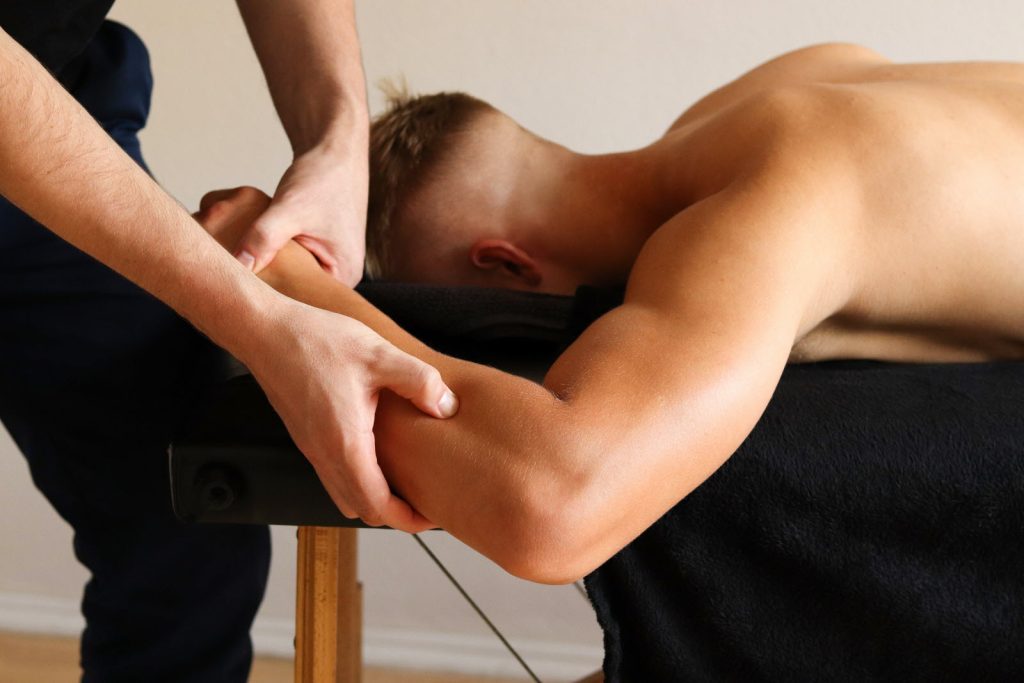
Our Deep Tissue Massage targets deeper layers of muscle and connective tissue to relieve chronic tension and pain. Ideal for athletes or those with repetitive strain, this technique uses slow, firm pressure to break down adhesions and improve mobility. Whether you’re dealing with tight shoulders, lower back pain, or stiff legs, this massage promotes lasting relief and better function so you can move and feel your best.
Trigger Point Therapy is a specialized massage technique focused on relieving pain and tension caused by tight, hyperirritable spots in muscles—commonly known as trigger points or “knots.” These points can refer pain to other areas of the body, causing discomfort, reduced mobility, and muscle imbalance.
By applying targeted pressure and release techniques, Trigger Point Therapy helps deactivate these points, improve blood flow, restore movement, and alleviate both localized and referred pain. This therapy is especially beneficial for individuals dealing with chronic tension, headaches, postural issues, or repetitive strain injuries.
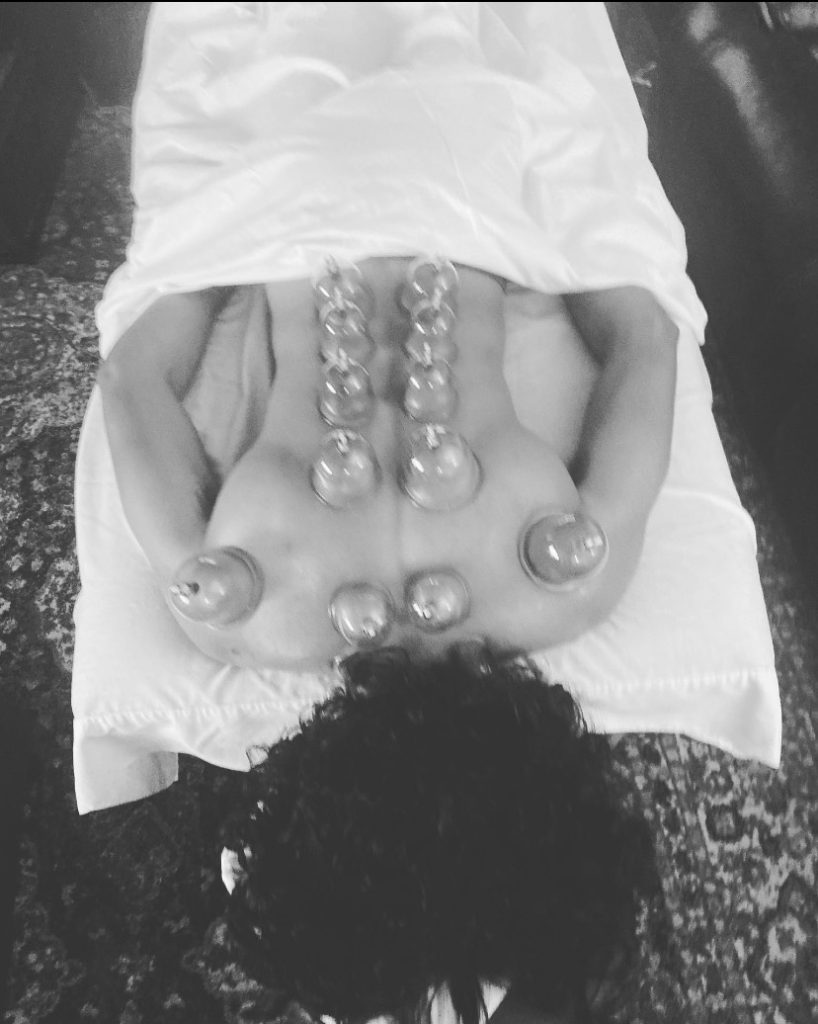
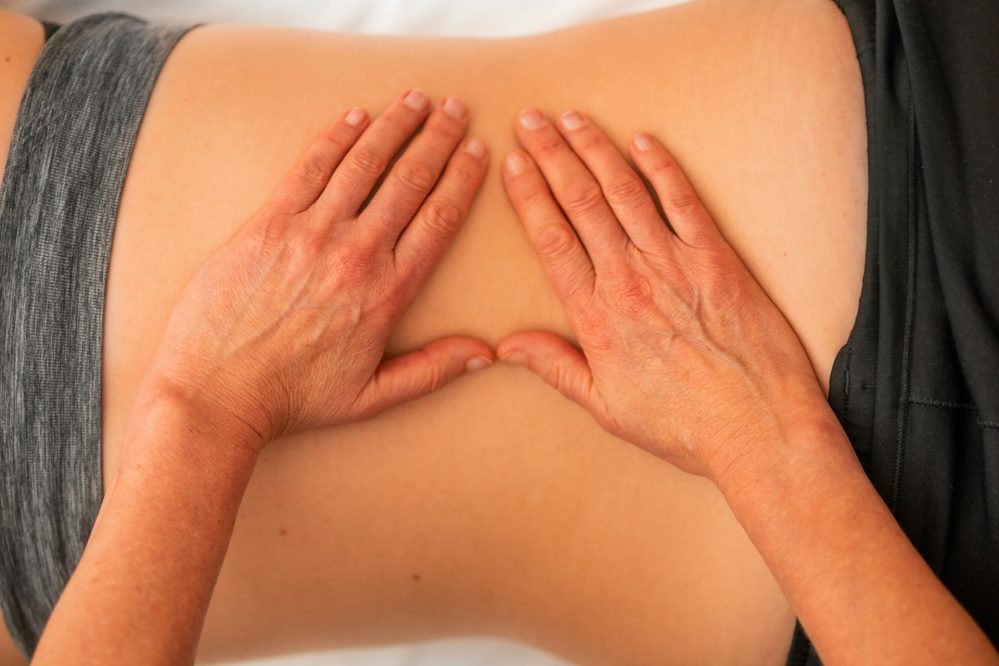
Prenatal Massage is a specialized form of therapeutic massage tailored to the needs of pregnant individuals. It helps relieve common discomforts associated with pregnancy—such as lower back pain, hip tension, swelling, and fatigue—while promoting relaxation and overall well-being.
Using gentle techniques and safe positioning, prenatal massage supports the body through the physical and emotional changes of pregnancy and can enhance sleep, circulation, and stress relief. This service is performed by trained professionals with experience in prenatal care.
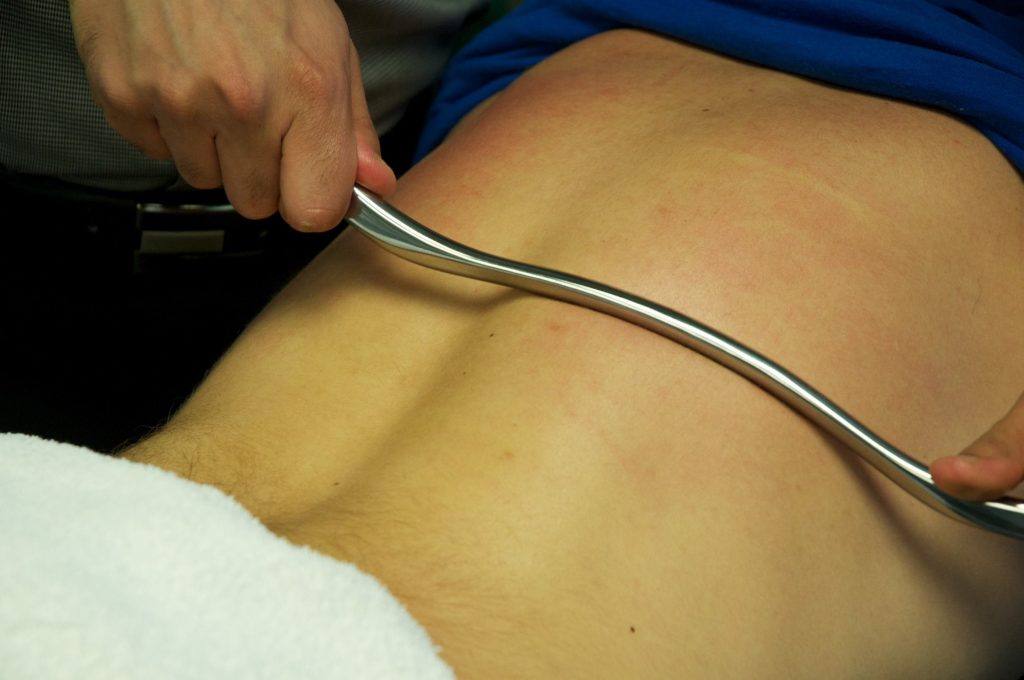
Instrument-Assisted Soft Tissue Mobilization (IASTM) is a manual therapy technique that uses specially designed tools to help detect and treat soft tissue restrictions. The instruments allow practitioners to apply controlled pressure to muscles, tendons, and fascia, promoting blood flow, breaking down scar tissue, and accelerating the body’s natural healing process.
This technique is often used to relieve pain, improve mobility, and support recovery from injuries such as tendonitis, sprains, or repetitive strain conditions.